Key Takeaways
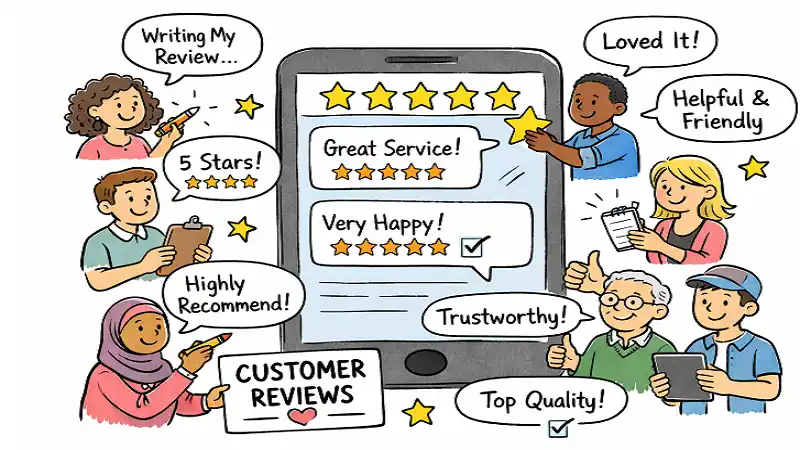
- Customer reviews are pivotal in building trust and influencing purchasing decisions.
- Authentic feedback fosters brand loyalty and enhances credibility.
- Managing and responding to reviews is crucial for maintaining a positive brand image.
In today’s digital marketplace, customer reviews have become a cornerstone of consumer decision-making. They not only influence purchasing choices but also significantly impact a brand’s credibility and trustworthiness. For instance, Vazoola, a leading SEO and content marketing agency, showcases numerous client testimonials that highlight their expertise and reliability. To see these firsthand, you can check out Vazoola’s review page.
The Power of Social Proof
Social proof, the psychological phenomenon where people mirror the actions of others, plays a vital role in consumer behavior. Online reviews serve as social proof, providing potential customers with insights into others’ experiences. This shared feedback can significantly reduce hesitation and accelerate decision-making processes.
Further, in the context of digital marketing, social proof goes beyond written reviews or star ratings. Video testimonials, case studies, influencer endorsements, and even user-generated content across platforms such as Instagram or TikTok all contribute to building an ecosystem of trust. Brands that actively showcase genuine customer experiences on multiple channels enjoy increased engagement and create a sense of community around their products or services. As potential buyers browse these touchpoints, seeing familiar scenarios or relatable pain points addressed by their peers provides the reassurance they need to move forward with a purchase. Companies like Amazon, Yelp, and TripAdvisor have built their business models around this concept, recognizing that consumers rely on others’ experiences when making online choices.
Authenticity Builds Credibility
Authentic customer feedback is essential for building credibility. A First Insight study found that 69% of consumers would trust a brand less if it relied on digital twins rather than real customer feedback. This underscores the importance of genuine reviews in maintaining consumer trust.
The demand for authenticity is so high that many brands now encourage their customers to leave detailed, honest reviews, even if that means receiving both positive and negative feedback. Brands know that a streak of unrealistic five-star reviews can appear suspicious and lead to skepticism. By contrast, a blend of experiences in which a few customers mention minor issues and how the company addressed them reinforces that the feedback is genuine and that the brand cares about continuous improvement. Companies often include photographs, verified buyer badges, timestamps, and even allow reviewers to update their testimonials as their relationship with the product evolves. Together, these strategies further enhance authenticity and solidify the customer’s trust in what they are reading.
Impact on Purchasing Decisions
Online reviews have a profound effect on purchasing decisions. Research indicates that 92% of online shoppers read reviews before buying, highlighting the direct influence of feedback on consumer confidence. Moreover, 88% of consumers trust reviews as much as personal recommendations, demonstrating the power of peer opinions in the digital age.
In the digital context, consumers often sort, filter, and compare reviews across multiple websites before reaching a final decision. Comprehensive reviews that include both product pros and cons are typically valued more highly than generic praise, as they help set accurate expectations. Furthermore, review recency is another factor that significantly impacts purchasing behavior; recent, relevant feedback assures buyers that the product or service quality is consistent and up to date. Some brands even implement AI-driven tools to surface the most relevant and trustworthy reviews to visitors, playing an increasingly strategic role in the online sales funnel.
Managing Reviews Effectively
Proactively managing and responding to customer reviews is crucial. Brands that engage with reviews, both positive and negative, demonstrate a commitment to customer satisfaction. This engagement not only enhances brand reputation but also fosters customer loyalty. For instance, 88% of customers are likely to use a business if they see the owner respond to all reviews, indicating the importance of active participation in review management.
Strong review management strategies go beyond simple acknowledgment. Thoughtful responses to negative feedback can transform an unhappy customer into a loyal advocate. By addressing customer pain points or offering solutions, brands display empathy, accountability, and a genuine willingness to improve. Additionally, positive reviews should be celebrated and shared, highlighting user testimonials on social media, newsletters, or website landing pages, which shows appreciation for customers and encourages others to share their experiences. Many companies integrate review platforms directly with their customer relationship management (CRM) systems so that no feedback goes unnoticed, supporting data-driven improvements and more personalized customer interactions.
Challenges of Fake Reviews
The rise of AI-generated fake reviews poses a significant challenge to maintaining trust. An analysis by Pangram Labs found that in categories like baby products and beauty, over 5% of reviews were AI-generated, mostly positive, and often tagged as verified purchases. This proliferation of fake reviews can undermine consumer confidence, making it imperative for brands to ensure the authenticity of their feedback.
Combating fake reviews requires a multi-faceted approach. Many review platforms now employ sophisticated machine learning algorithms, natural language processing, and behavioral signals to detect suspicious activity. Some platforms perform manual audits or solicit additional verification, such as proof of purchase, before accepting certain types of reviews. Transparency with customers about these measures further enhances trust and demonstrates the brand’s commitment to integrity. For brands, the risk of being associated with fake reviews can cause reputational damage that’s hard to recover from, making preemptive action non-negotiable in today’s marketplace.
Leveraging Reviews for Brand Growth
Effectively leveraging customer reviews can lead to substantial brand growth. Companies with more than 200 reviews generate 4.6 times more revenue compared to those with fewer. This statistic highlights the tangible benefits of cultivating a robust review presence.
Beyond increased revenue, brands can mine customer reviews for actionable insights and trends. By analyzing recurring themes, questions, or suggestions within reviews, companies can refine product features, enhance service delivery, and identify new opportunities for innovation. Some organizations take it a step further, involving loyal reviewers in beta tests or exclusive communities, fostering brand advocacy and deeper customer relationships. Additionally, structured review data can enhance local SEO performance, increase click-through rates in search engine results, and generate fresh, relevant content that attracts new audiences organically.
Conclusion
Customer reviews are a powerful tool in digital marketing, shaping trust and influencing consumer behavior. By fostering authentic feedback and actively managing reviews, brands can enhance their credibility, build customer loyalty, and drive growth in the competitive digital landscape.
As the digital ecosystem continues to evolve, the importance of transparent, authentic customer feedback will only grow stronger. Businesses that invest in nurturing genuine relationships with their audience, by listening, responding, and acting on customer input, position themselves for lasting success. In a world flooded with choices, it’s the honest experiences shared by real people that help brands stand out.