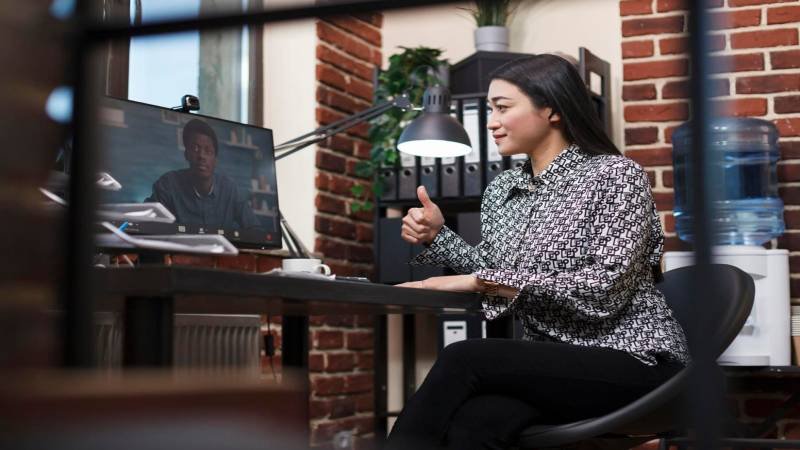
Virtual events are no longer a temporary solution. They have become a permanent part of corporate communication. Companies now host conferences, training sessions, product launches, and internal meetings online.
Many organizations partner with a professional virtual event production company to ensure these events run smoothly. A production team handles the technology, the planning, and the broadcast execution. That support allows presenters to focus on their message instead of worrying about technical problems.
Running a successful virtual event requires more than opening a video call. Professional production transforms a basic online meeting into a broadcast-quality experience that keeps viewers engaged.
This guide explains how virtual event production works and why professional support makes a major difference.
What a Virtual Event Production Company Actually Does?
A virtual event production company manages the full technical and creative process behind an online event.
Their work covers multiple areas:
- event strategy and planning
- platform selection
- live streaming technology
- speaker preparation
- audience engagement tools
- broadcast production
- post-event analytics
Production teams coordinate every element of the event to create a seamless online experience.
Without this coordination, virtual events often feel disorganized or unprofessional.
Why Virtual Events Require Professional Production?
Many companies assume virtual events are simple.
They believe a video call platform is enough.
In reality, a professional virtual event includes many technical layers.
These layers include:
- camera feeds
- audio mixing
- graphics overlays
- screen sharing
- interactive features
- streaming distribution
Production teams manage these systems in real time.
They operate like a broadcast control room, switching between speakers, slides, and video content during the event.
This approach creates a polished experience similar to television production.
Planning the Virtual Event Strategy
Successful virtual events begin with sound planning.
Production teams start by understanding the goals of the event.
Important questions include:
- Who is the target audience?
- What message should attendees remember?
- How long should each session last?
- What type of interaction should occur?
These decisions shape the event format.
Common formats include:
- keynote presentations
- panel discussions
- workshops
- networking sessions
- breakout rooms
Strategic planning ensures the event structure supports audience engagement.
Choosing the Right Virtual Platform
The platform determines how attendees experience the event.
Production teams evaluate several factors when selecting a platform.
Key considerations include:
- audience capacity
- interaction features
- video quality
- branding capabilities
- networking tools
Some platforms focus on simple webinars.
Others support large virtual conferences with thousands of attendees.
The platform must support the event goals and audience size.
Speaker Preparation and Coaching
Speakers often struggle with virtual presentations.
They may not know where to look on camera. They may struggle with pacing or lighting.
Production teams prepare speakers before the event.
Preparation typically includes:
- microphone and camera testing
- lighting adjustments
- framing and background setup
- presentation timing practice
These rehearsals help speakers feel confident on camera.
Well-prepared presenters deliver stronger messages and maintain audience attention.
Professional Video Production
High-quality video dramatically improves virtual events.
Production teams use professional tools such as:
- broadcast cameras
- switching software
- graphics overlays
- branded lower thirds
These tools allow producers to switch between speakers, presentations, and pre-recorded content.
The result looks more like a live television program than a standard webinar.
Professional production also ensures consistent video quality across all speakers.
Audio quality matters more than Video
Many people focus on video resolution.
Audio quality actually matters more.
Poor audio quickly frustrates online audiences.
Production teams manage:
- microphone selection
- audio mixing
- noise reduction
- audio monitoring
They ensure every speaker sounds clear and balanced.
This attention to audio quality dramatically improves the viewer experience.
Audience Engagement Tools
One major challenge with virtual events is audience engagement.
Viewers can easily become distracted.
Production teams use interactive tools to keep audiences involved.
Common engagement features include:
- live polls
- moderated Q&A sessions
- chat discussions
- breakout rooms
- networking lounges
These features transform passive viewing into active participation.
Interactive events keep attendees focused for longer periods.
Branding and Visual Design
Virtual events should reflect the company’s brand.
Production teams create custom visual elements for the event.
Examples include:
- branded backgrounds
- animated transitions
- title graphics
- lower-third speaker identifiers
These design elements create a consistent visual identity throughout the event.
They also make the event feel more professional and memorable.
Running the Event Live
During the event, the production team operates behind the scenes.
They monitor multiple systems at once.
Responsibilities include:
- switching camera feeds
- launching videos
- controlling graphics
- monitoring audio levels
- assisting speakers
- moderating audience questions
This coordination keeps the event moving smoothly.
If technical problems occur, the team resolves them quickly.
Attendees rarely notice these behind-the-scenes adjustments.
Hybrid Events: Combining Virtual and In-Person Audiences
Many events now combine physical and virtual attendees.
These hybrid events require even more technical coordination.
Production teams integrate:
- stage cameras
- live streaming systems
- in-room audio
- virtual audience platforms
The goal is to make both audiences feel equally included.
Remote attendees should feel like they are part of the experience, not simply watching a recording.
Post-Event Content and Analytics
The event does not end when the livestream stops.
Production teams deliver valuable post-event content.
Examples include:
- session recordings
- highlight videos
- social media clips
- on-demand replay libraries
These assets extend the life of the event.
Organizations can reuse the content for marketing, training, or internal communication.
Production teams also provide analytics data, such as:
- total attendance
- viewer engagement
- session popularity
- geographic audience distribution
These insights help improve future events.
Types of Events That Work Well Online
Virtual events support many formats.
Common examples include:
Corporate town halls
Executives communicate company updates to global teams.
Product launches
Brands introduce new products with live demonstrations.
Online conferences
Speakers present educational sessions to remote audiences.
Training programs
Organizations educate employees or customers through virtual workshops.
Fundraising events
Nonprofits reach donors worldwide through online broadcasts.
Virtual events allow organizations to reach audiences far beyond their local region.
Advantages of Virtual Events
Virtual events offer several benefits compared to traditional events.
Global Reach
Online events remove geographic limitations.
Attendees can join from anywhere in the world.
Lower Costs
Virtual events eliminate many expenses, such as:
- venue rental
- travel costs
- accommodation
- catering
Flexible Scheduling
Sessions can be recorded and offered on demand.
Attendees can watch presentations later if they miss the live broadcast.
Scalable Attendance
Virtual platforms can support thousands of participants.
Large global audiences become easier to manage.
The Future of Virtual Event Production
Virtual event technology continues to evolve.
Several trends are shaping the future.
Virtual Studios
Advanced studios allow presenters to appear inside digital environments.
These environments may include:
- branded stages
- animated backgrounds
- 3D graphics
Augmented and Extended Reality
Some events now include augmented reality visuals and interactive digital environments.
These features create immersive online experiences.
AI-Driven Engagement
Artificial intelligence tools help analyze audience behavior and personalize event experiences.
These innovations continue to improve virtual event quality.
Final Thoughts
Virtual events have become an essential communication tool for modern organizations.
They connect global audiences. They reduce costs. They allow companies to share information quickly and effectively.
However, successful virtual events require more than basic video conferencing.
They require professional planning, technical expertise, and broadcast-quality production.
A skilled production team coordinates the technology, prepares speakers, manages audience interaction, and ensures the event runs smoothly.
When every technical detail works together, the audience experiences a polished event that feels engaging, professional, and memorable.
And that is the true goal of great virtual event production.